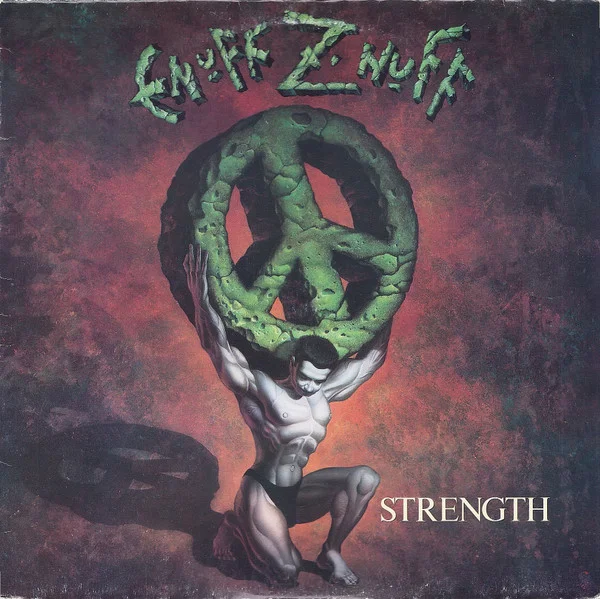
Their 1989 debut sold half a million copies and produced two MTV hits. Their guitarist was a virtuoso who would die of an overdose at 37. Their lead singer was a Beatles-obsessed songwriter who would spend the next three decades fighting addiction while continuing to make some of the most accomplished power-pop records of his generation. Their manager was the same one who built Journey. Rolling Stone called them the Hot Band of 1991. The album that should have made them stars peaked at number 143 on the Billboard 200, sold a fraction of what its predecessor had sold, and was eventually parodied on Beavis and Butthead. A Long Play on Strength, the album doomed by the band's own visual presentation.
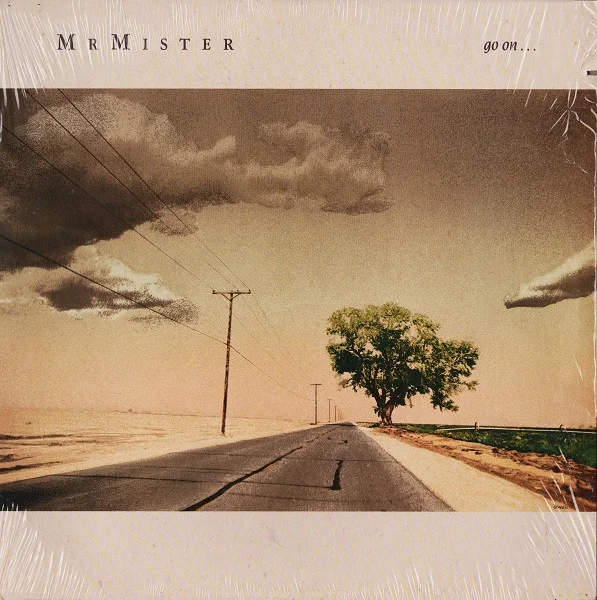
Their previous album had spent two weeks at number one on the Billboard 200 and produced two consecutive number-one Hot 100 singles. The follow-up, released twenty-two months later, peaked at number 55, generated one Top 30 single, and effectively ended the band's commercial career. The standard rock-history vocabulary calls Go On... a flop. The accurate framing is more complicated, and substantially more interesting.
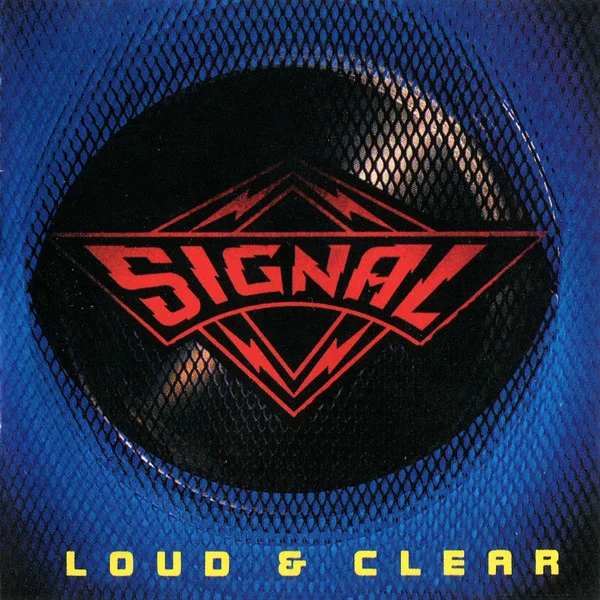
In April 1989, four working Los Angeles musicians finished recording one of the most accomplished AOR albums of the decade at Fantasy Studios in Berkeley. Their producer believed it was the best work he had ever done. Their label dropped them within months of its release. The lead vocalist — already established through King Kobra, soon to be established through Unruly Child — would later transition and lose access to the music industry that had built her career. A retrospective on Signal's Loud and Clear, the album that should have sold millions, and on Marcie Michelle Free, the singer who carried its eight months of work into the rest of her life until her death in October 2025.
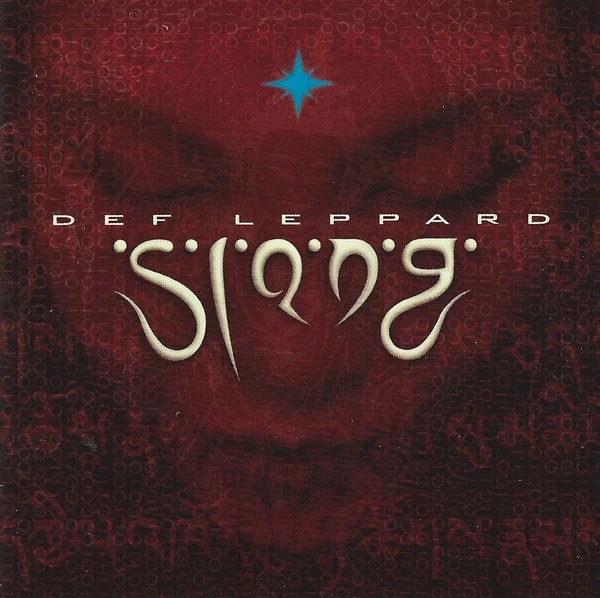
In May 1996, the band that had built one of the most commercially perfect rock albums of the 1980s deliberately stopped making music that sounded like that album. They wrote in a Spanish house. They produced themselves without Mutt Lange for the first time in sixteen years. They cited Soundgarden's Superunknown as inspiration. They jokingly called the album Commercial Suicide while they were making it. They were not, in retrospect, joking. A long play on the album that broke Def Leppard's platinum streak and which the band continues to defend as one of the most important records they ever made.
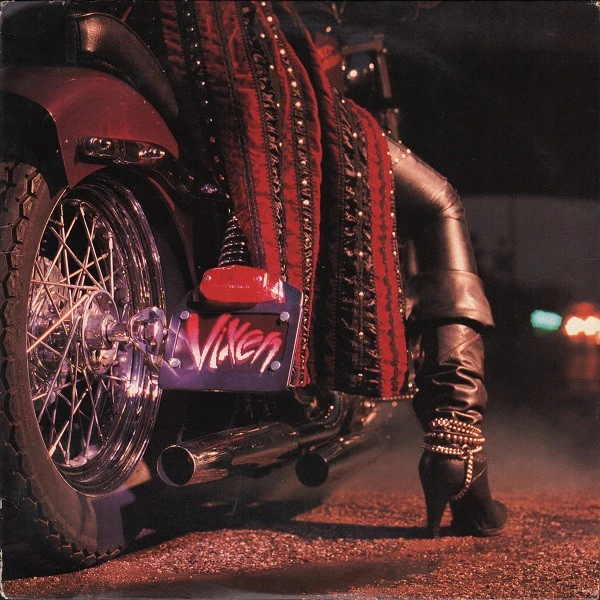
She started the band in 1973 in a Saint Paul high school. She moved it to Los Angeles in 1981. She fought for it across four decades, through three substantially different lineups and one lawsuit she filed to keep the name. She died of cancer in 2013. The body of work she built — two commercial peaks separated by years of structural difficulty — represents one of the more under-credited careers in late hair metal. A retrospective on Vixen, the band that almost everyone called the female Bon Jovi, and on the guitarist whose forty-year creative project the band actually was.
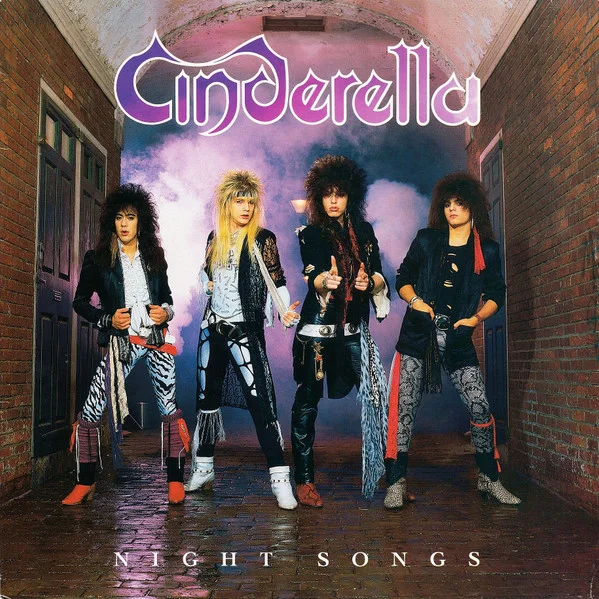
In four years, they made three records that travel further than almost any of their commercial peers managed in entire careers — from teased-hair glam metal to dustbowl blues-rock, with one of the genre's strongest songwriters at the center of the journey. Then his voice stopped working, and the journey ended. A featured retrospective on the Philadelphia band whose creative trajectory was one of the cleanest of the era and whose ending was one of its quietest tragedies.
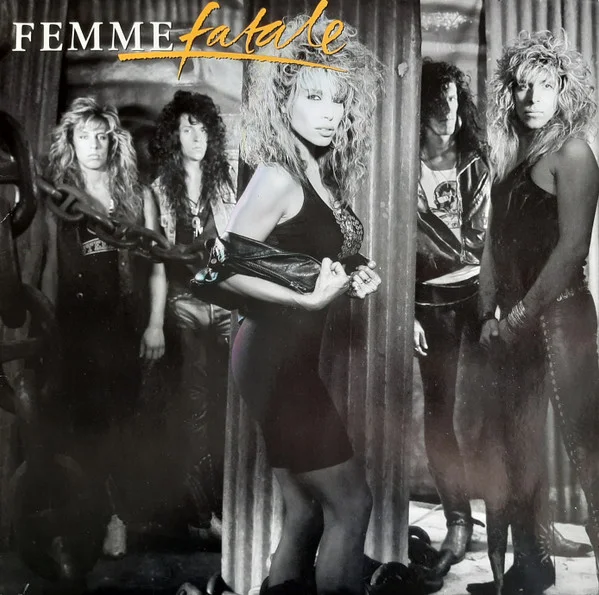
MCA Records signed them. MTV played them. Cheap Trick took them on tour. Their manager developed brain cancer mid-promotion and the label decided they'd rather keep the singer than the band. A look at Femme Fatale's 1988 debut — the album that should have been the start of a career and instead became the entirety of one — and at the singer who has spent thirty-six years building a different kind of music life around the eighteen months when the major-label commercial infrastructure briefly noticed her.
In 1991, a Phoenix-by-way-of-Hollywood glam band had a power ballad that reached number three on Dial MTV, landing between Metallica and Guns N' Roses. Within eighteen months, Atlantic had dropped them, and the genre that defined their commercial existence was effectively over. The lead singer spent the next twenty-eight years doing something stranger and more lasting than the band's brief commercial moment: he became, from the inside, the single most consistent chronicler of the scene he had briefly belonged to. The first installment of One and Done.