Deep Cuts

Music writing for the long play

Category

Retrospectives

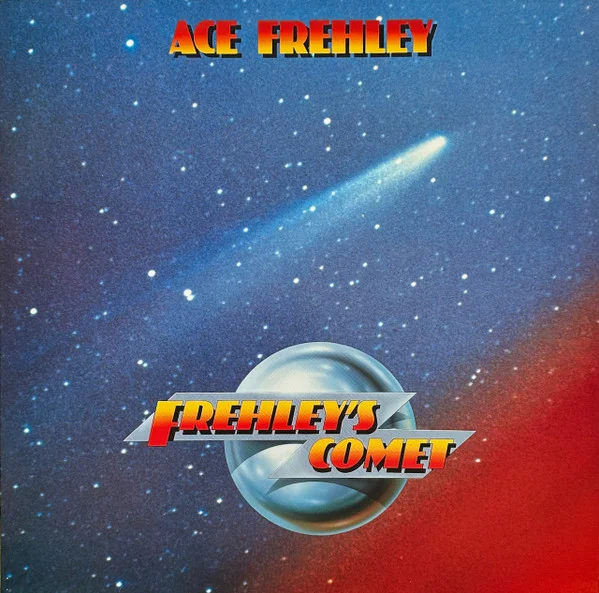
  1. Rock Soldier: Ace Frehley's Post-KISS Decade and the Band That Was Best When It Was Least His Own

    The standard history files Ace Frehley's three post-KISS records as a redemption arc — a wreck cleans up, comes back strong in 1987, fumbles in 1988, reclaims himself in 1989. The facts are right and the reading is wrong. Frehley's Comet charted highest when it was least Frehley's own work, made its most competent record in the moment everyone calls its collapse, and sold least once it finally sounded like nobody but Ace. The decade didn't return the Spaceman to himself. It proved the Spaceman was a brand other hands could carry — and that 'Frehley's Comet' could be a band or a Frehley vehicle, never both.

    By Deep Cuts · Issue 05 · · 8 min read
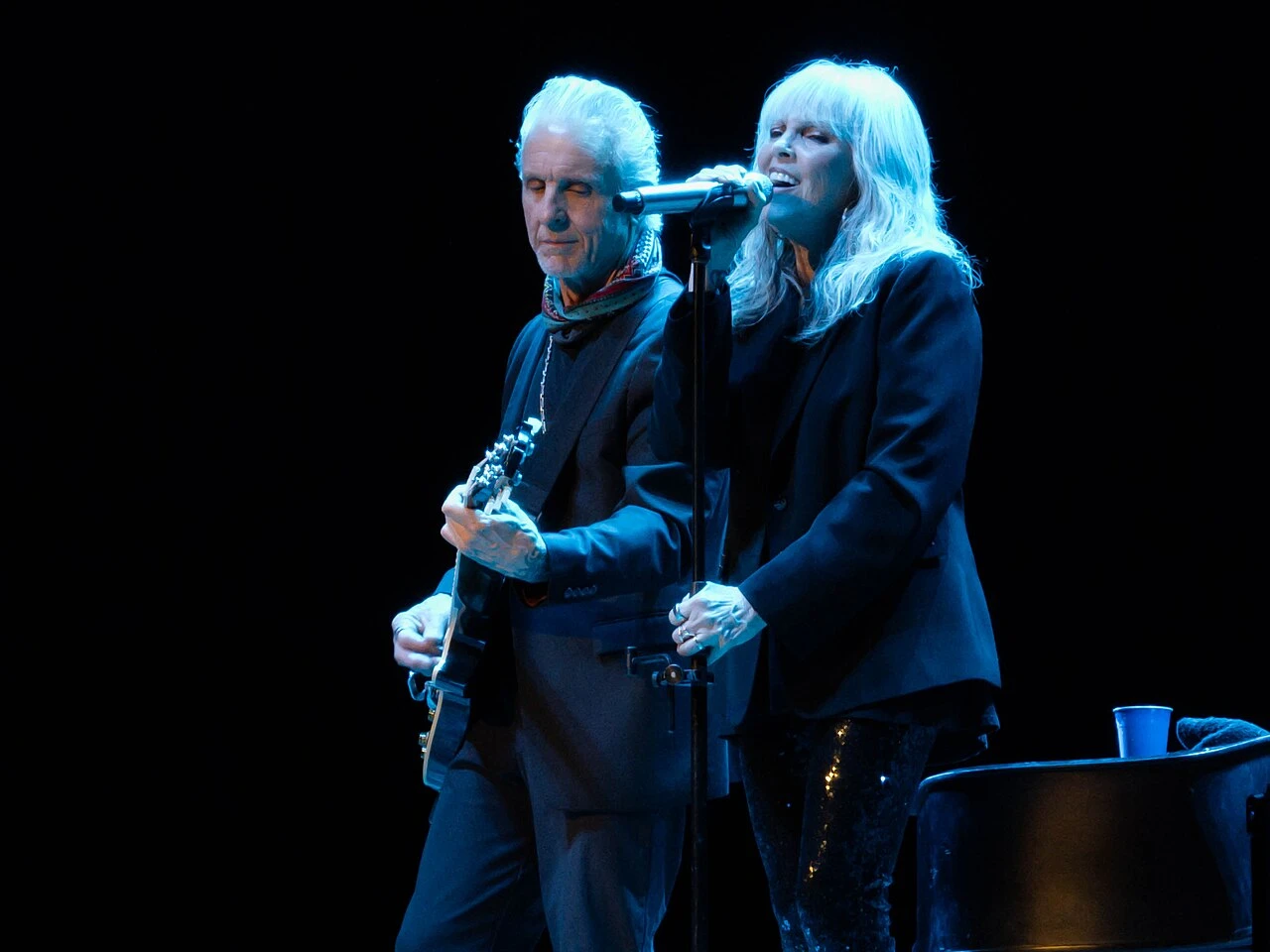
  2. Hit Me with Your Best Shot: Pat Benatar, Neil Giraldo, and the Twenty-Two-Year Hall of Fame Wait

    She was eligible for the Rock and Roll Hall of Fame in 2000. She was inducted in 2022. The twenty-two-year delay was not, by her own subsequent account, an accident — she had been turning down individual induction since the institution first became willing to consider her, refusing to accept the honor unless her musical partner and husband of forty years was inducted alongside her. The standard rock-history vocabulary has consistently positioned her as a solo MTV pop-rock vocalist whose commercial peak ended around 1985 and whose subsequent career has been a slow nostalgia-circuit decline. The accurate version is more interesting, substantially better documented, and centers a creative partnership the broader rock-criticism vocabulary has spent four decades failing to recognize.

    By Deep Cuts · Issue 05 · · 17 min read

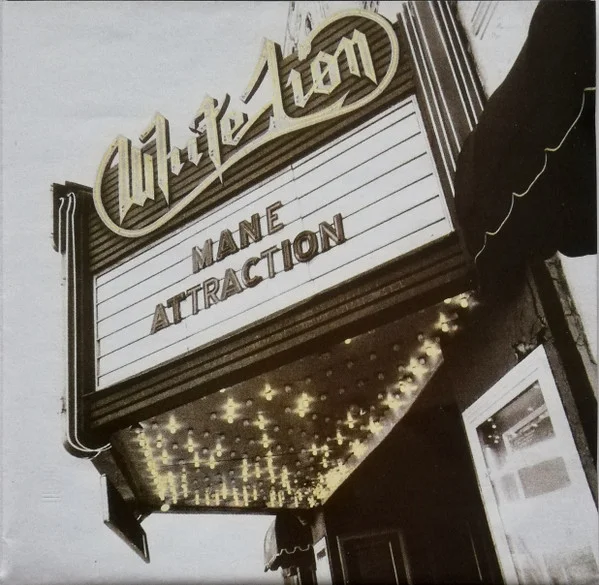
  3. The Quietest Disappearance: White Lion, Vito Bratta, and the Career That Ended When It Was Just Beginning

    Their second album sold two million copies and produced a number-three Hot 100 single. Their guitarist appeared on the cover of Guitar World and was widely positioned as the successor to Eddie Van Halen. Their fourth album was a substantial creative achievement that the marketplace declined to receive. The lead singer continues to perform their material into 2026. The guitarist has played in public exactly twice since 1991 — at a Brooklyn club reunion show in April 2007 — and has otherwise lived quietly on Staten Island for thirty-five years. A retrospective on White Lion, and on the fact that the band's most interesting story is what the guitarist did not do after September 1991.

    By Deep Cuts · Issue 05 · · 15 min read

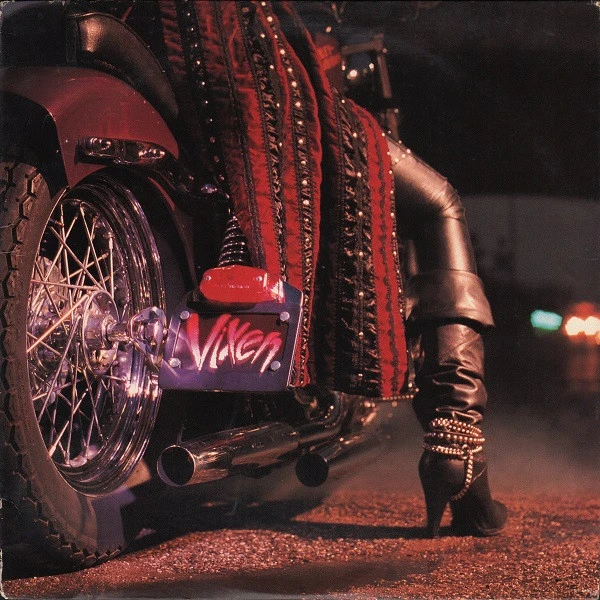
  4. The Band She Built: Vixen, Jan Kuehnemund, and the Limits of the Female Bon Jovi

    She started the band in 1973 in a Saint Paul high school. She moved it to Los Angeles in 1981. She fought for it across four decades, through three substantially different lineups and one lawsuit she filed to keep the name. She died of cancer in 2013. The body of work she built — two commercial peaks separated by years of structural difficulty — represents one of the more under-credited careers in late hair metal. A retrospective on Vixen, the band that almost everyone called the female Bon Jovi, and on the guitarist whose forty-year creative project the band actually was.

    By Deep Cuts · Issue 03 · · 14 min read

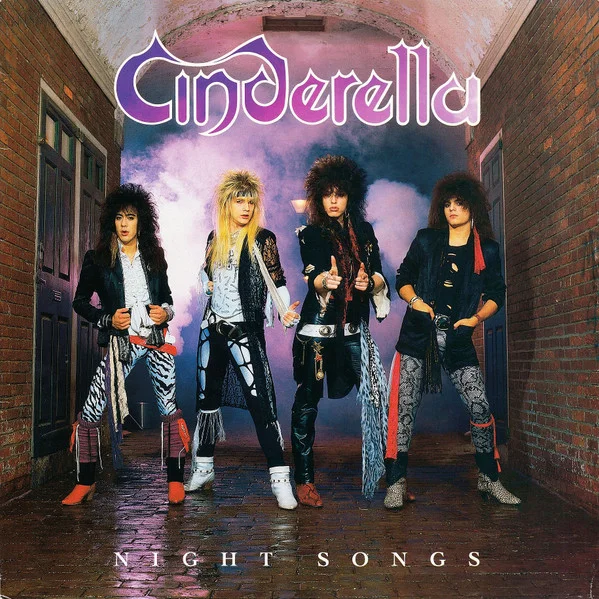
  5. Don't Know What You Got: Cinderella and the Voice That Disappeared Overnight

    In four years, they made three records that travel further than almost any of their commercial peers managed in entire careers — from teased-hair glam metal to dustbowl blues-rock, with one of the genre's strongest songwriters at the center of the journey. Then his voice stopped working, and the journey ended. A featured retrospective on the Philadelphia band whose creative trajectory was one of the cleanest of the era and whose ending was one of its quietest tragedies.

    By Deep Cuts · Issue 03 · · 20 min read

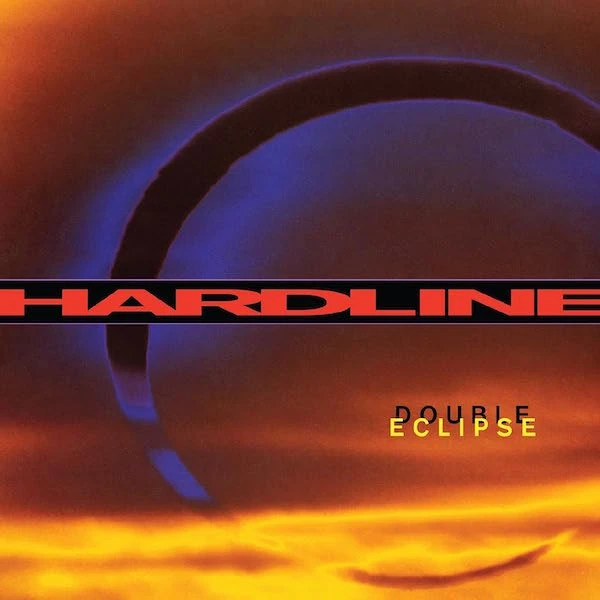
  6. Two Eclipses: Hardline and the Album That Couldn't Be Followed

    In April 1992, a Journey guitarist, two members of Bad English, and two brothers from Brooklyn released an arena-ready hard rock album into a marketplace that no longer existed. Ten years later, a different configuration of mostly the same band released the follow-up. Almost nobody heard either one. A look at Double Eclipse and II — the two albums that bracketed Hardline's actual commercial life, and the gap between them that made the second album the strange artifact it became.

    By Deep Cuts · Issue 03 · · 16 min read

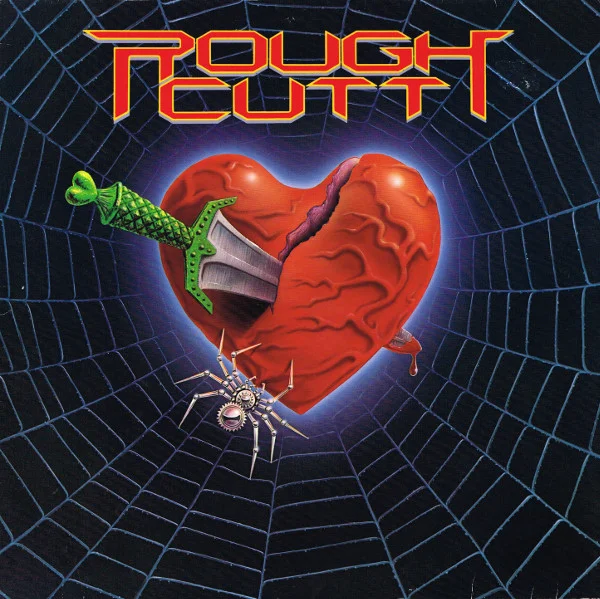
  7. Cut from the Same Cloth: Rough Cutt and the Bands That Outgrew Them

    Mentored by Dio, managed by his wife, signed to Warner Bros., opening arenas for the biggest metal acts in America. Rough Cutt had every advantage a 1980s Los Angeles hard rock band could have, and almost none of the success. By the time the band dissolved in 1987, the catalog of musicians who had passed through their ranks read like a list of who actually made it in mid-1980s metal. A retrospective on a band whose history is mostly the history of the bands that emerged from it.

    By Deep Cuts · Issue 02 · · 14 min read

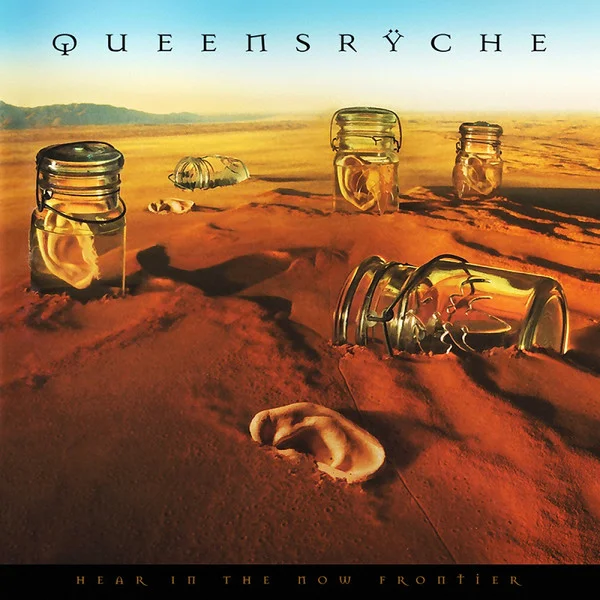
  8. The Crumbling Empire: Queensrÿche After 1990

    In 1990, Queensrÿche made the album most progressive metal bands spend their careers chasing. Triple platinum, a top-ten single, Grammy nominations, and the kind of critical respect their genre rarely earned. Then, for the next two decades, they slowly came apart. A retrospective on the long unraveling of a band that did everything right at the wrong moment — and never recovered from being good enough to succeed.

    By Deep Cuts · Issue 02 · · 28 min read

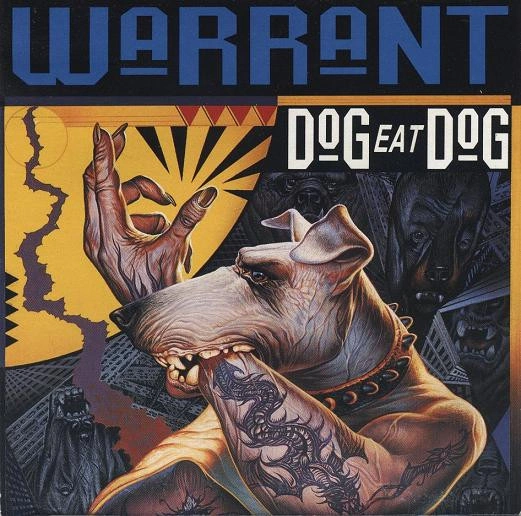
  9. What Warrant Did After the Party Ended

    Most hair metal bands of their tier released two or three albums in the 1990s and then disappeared. Warrant released eight, played every genre the decade offered, fought constantly, and produced one of the strangest discographies of any band that came out of the Sunset Strip. A retrospective on the post-Cherry Pie decade — and on three studio records that deserve to be heard for what they actually are, rather than for what their commercial trajectory suggested.

    By Deep Cuts · Issue 02 · · 31 min read

  10. Lillian Axe and the Long Pursuit of a Hit

    They had Ratt's manager. They had Ratt's guitarist as their producer. They were nearly fronted by Warrant's Jani Lane. For seven years across four albums, Lillian Axe were the band the industry kept handing the right introductions to, and the audience kept walking past.

    By Deep Cuts · Issue 01 · · 18 min read

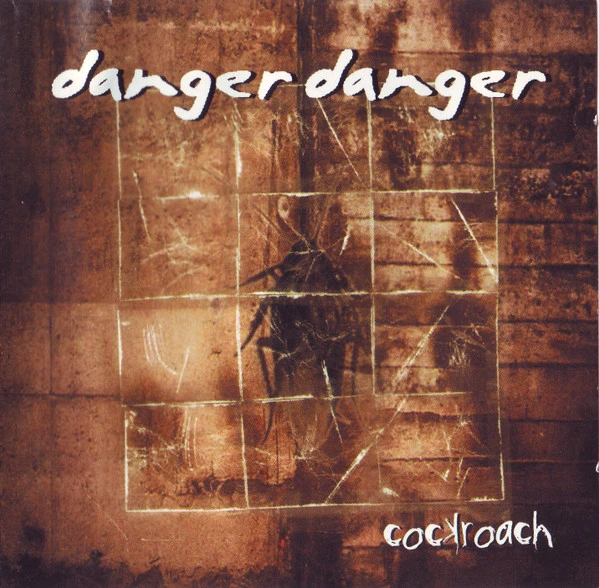
  11. The Cockroach Problem: How Danger Danger Lost Five Years to a Lawsuit

    A gold debut, a respectable follow-up, and then the strangest stretch of legal and creative chaos in late hair metal. A retrospective on a band who recorded their third album twice, released the wrong version of it, and missed the only window they had left.

    By Deep Cuts · Issue 01 · · 16 min read

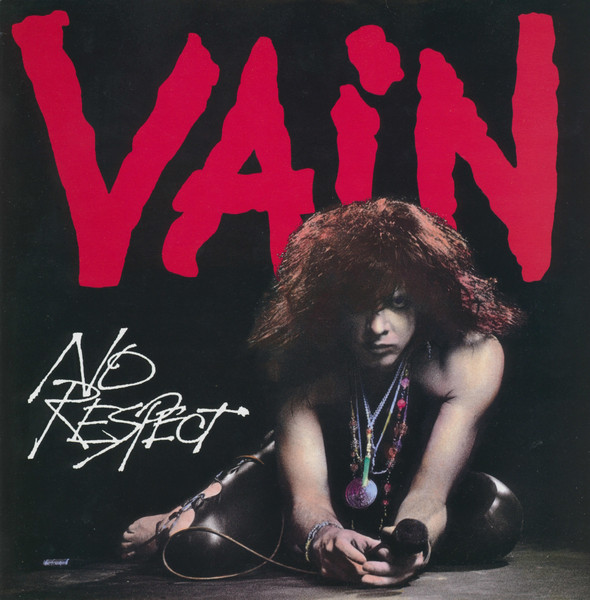
  12. Vain Saw It Coming: A Band Watching the Door Close in Real Time

    They had the songs, the look, the magazine covers, and a debut album that critics still call a lost classic. Then their label collapsed, an ex-Guns N' Roses drummer walked into the picture, and the 1990s happened. A retrospective on a San Francisco band who kept making records nobody was listening for.

    By Deep Cuts · Issue 01 · · 16 min read