Deep Cuts

Music writing for the long play

Category

Long Plays

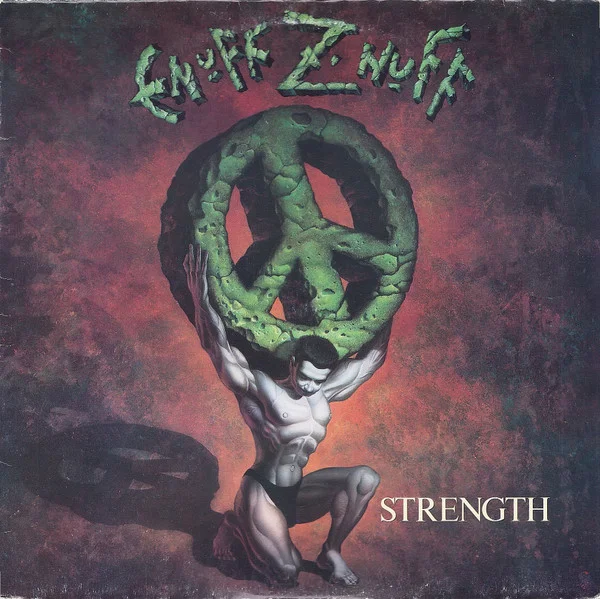
  1. Wrong Decade, Wrong Closet, Wrong Building: Enuff Z'Nuff, Strength, and the 1991 Album That Was a Power-Pop Classic Disguised as Hair Metal

    Their 1989 debut sold half a million copies and produced two MTV hits. Their guitarist was a virtuoso who would die of an overdose at 37. Their lead singer was a Beatles-obsessed songwriter who would spend the next three decades fighting addiction while continuing to make some of the most accomplished power-pop records of his generation. Their manager was the same one who built Journey. Rolling Stone called them the Hot Band of 1991. The album that should have made them stars peaked at number 143 on the Billboard 200, sold a fraction of what its predecessor had sold, and was eventually parodied on Beavis and Butthead. A Long Play on Strength, the album doomed by the band's own visual presentation.

    By Deep Cuts · Issue 04 · · 13 min read
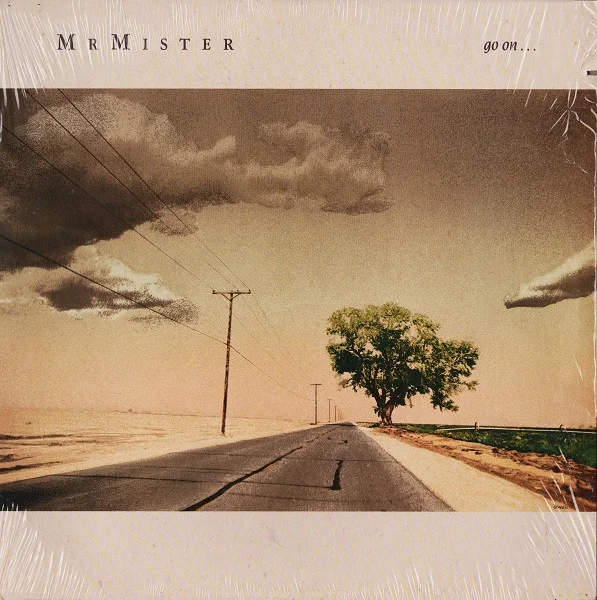
  2. After Kyrie: Mr. Mister and the Album That Could Not Be Welcome to the Real World

    Their previous album had spent two weeks at number one on the Billboard 200 and produced two consecutive number-one Hot 100 singles. The follow-up, released twenty-two months later, peaked at number 55, generated one Top 30 single, and effectively ended the band's commercial career. The standard rock-history vocabulary calls Go On... a flop. The accurate framing is more complicated, and substantially more interesting.

    By Deep Cuts · Issue 04 · · 13 min read
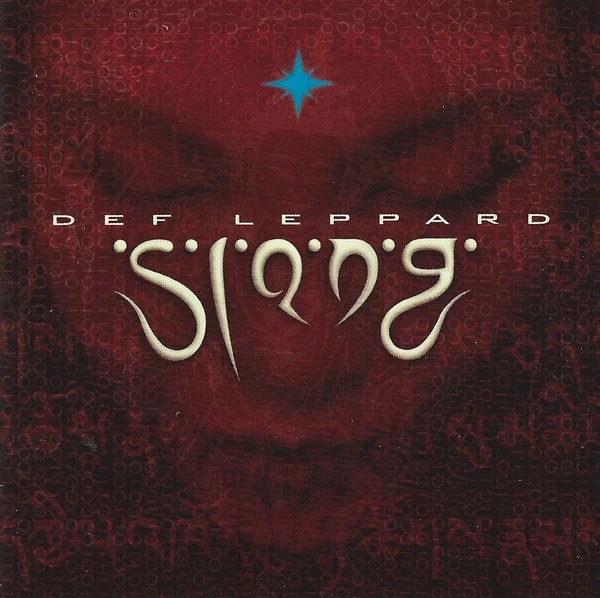
  3. Commercial Suicide: Def Leppard, Slang, and the Album That Refused to Be Hysteria

    In May 1996, the band that had built one of the most commercially perfect rock albums of the 1980s deliberately stopped making music that sounded like that album. They wrote in a Spanish house. They produced themselves without Mutt Lange for the first time in sixteen years. They cited Soundgarden's Superunknown as inspiration. They jokingly called the album Commercial Suicide while they were making it. They were not, in retrospect, joking. A long play on the album that broke Def Leppard's platinum streak and which the band continues to defend as one of the most important records they ever made.

    By Deep Cuts · Issue 04 · · 14 min read

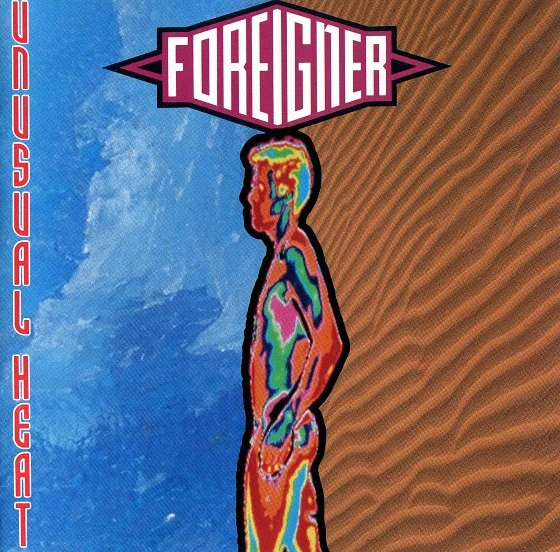
  4. The Hottest Cold Streak: Foreigner's Unusual Heat and the End of an Era

    After thirteen years and seven multi-platinum albums, Foreigner's voice walked out. The band that remained — Mick Jones, three sidemen, and an Atlantic Records frontman named Johnny Edwards — made a record that should have worked. It peaked at number 117 on the Billboard 200, the worst chart position of the band's career, and effectively ended Foreigner's run as a commercial force. A long play on the album that exposed exactly what Foreigner had always been — and what it could not be without Lou Gramm.

    By Deep Cuts · Issue 02 · · 18 min read

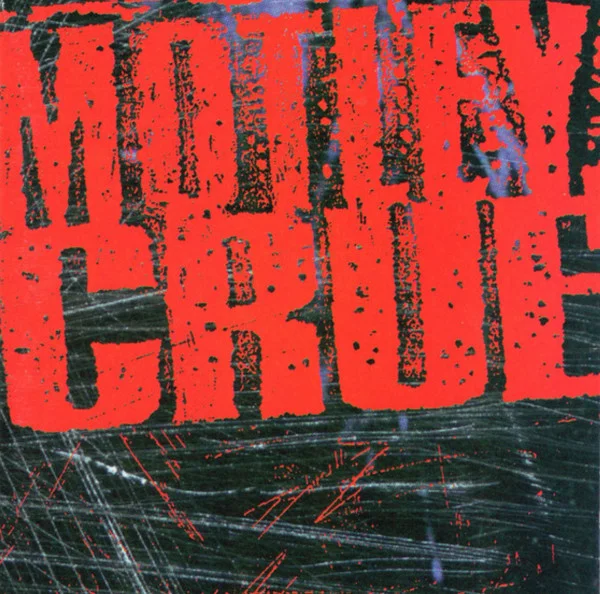
  5. Their Heaviest Mistake: The Story of Mötley Crüe's Self-Titled Album

    In 1994, the biggest glam metal band in America fired their lead singer, hired a stranger with a different voice, and made the most ambitious record of their career. It debuted at number seven on the Billboard 200 and was certified gold within seven weeks. Then the audience walked away, the tour collapsed into half-filled clubs, and within three years the experiment was over. A long play on the album that was supposed to save Mötley Crüe and instead got quietly written out of their own history.

    By Deep Cuts · Issue 02 · · 18 min read

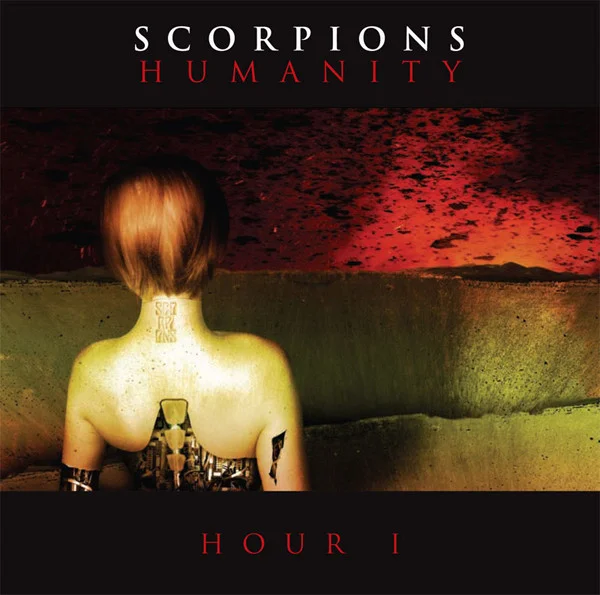
  6. Scorpions and the Robot War: A Defense of Humanity: Hour I

    In 2007, four decades into their career, Scorpions made the strangest album of their lives — a concept record about a war between humans and machines, co-written with Bon Jovi's hitmaker, featuring Billy Corgan singing about Jesus and John 5 playing guitar on the opening track. Almost nobody bought it. This is the case for taking it seriously anyway.

    By Deep Cuts · Issue 01 · · 17 min read