Deep Cuts

Music writing for the long play

Tag

AOR

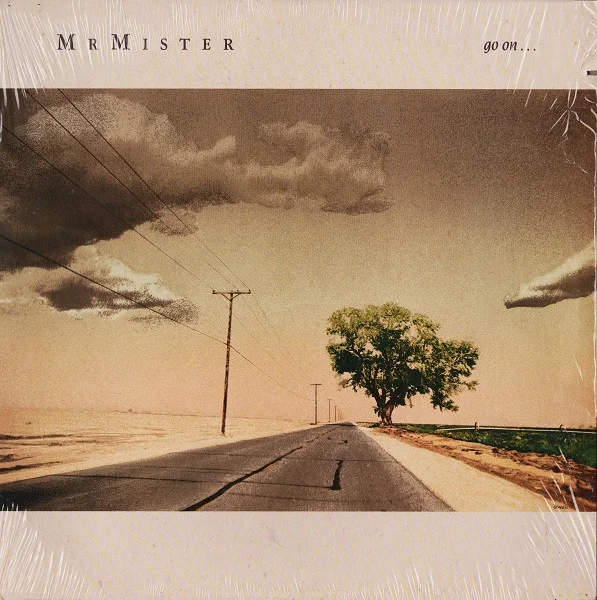
  1. After Kyrie: Mr. Mister and the Album That Could Not Be Welcome to the Real World

    Their previous album had spent two weeks at number one on the Billboard 200 and produced two consecutive number-one Hot 100 singles. The follow-up, released twenty-two months later, peaked at number 55, generated one Top 30 single, and effectively ended the band's commercial career. The standard rock-history vocabulary calls Go On... a flop. The accurate framing is more complicated, and substantially more interesting.

    By Deep Cuts · Issue 04 · · 13 min read
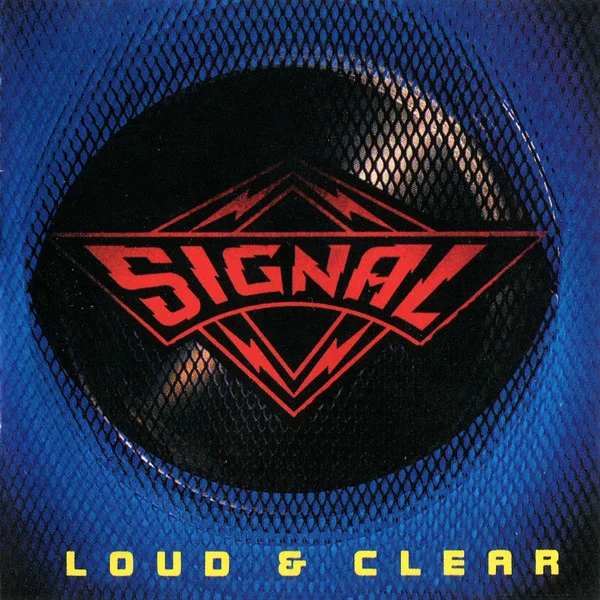
  2. Signal Lost: The One-Album Career of an AOR Band That Arrived Two Years Too Late

    In April 1989, four working Los Angeles musicians finished recording one of the most accomplished AOR albums of the decade at Fantasy Studios in Berkeley. Their producer believed it was the best work he had ever done. Their label dropped them within months of its release. The lead vocalist — already established through King Kobra, soon to be established through Unruly Child — would later transition and lose access to the music industry that had built her career. A retrospective on Signal's Loud and Clear, the album that should have sold millions, and on Marcie Michelle Free, the singer who carried its eight months of work into the rest of her life until her death in October 2025.

    By Deep Cuts · Issue 04 · · 14 min read

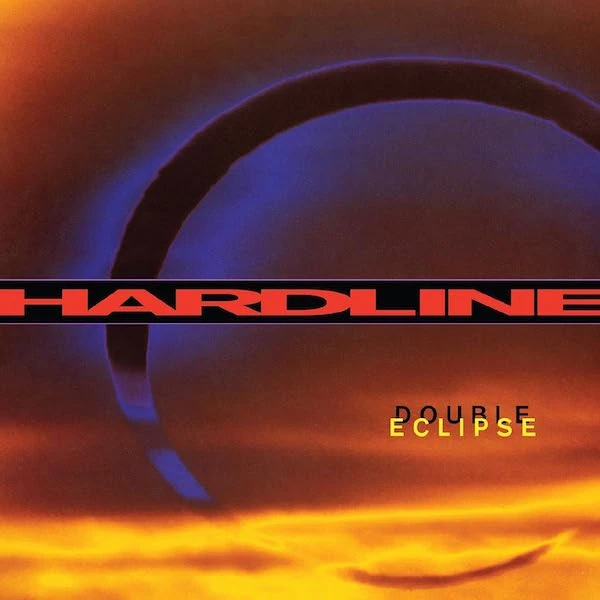
  3. Two Eclipses: Hardline and the Album That Couldn't Be Followed

    In April 1992, a Journey guitarist, two members of Bad English, and two brothers from Brooklyn released an arena-ready hard rock album into a marketplace that no longer existed. Ten years later, a different configuration of mostly the same band released the follow-up. Almost nobody heard either one. A look at Double Eclipse and II — the two albums that bracketed Hardline's actual commercial life, and the gap between them that made the second album the strange artifact it became.

    By Deep Cuts · Issue 03 · · 16 min read

  4. The Hottest Cold Streak: Foreigner's Unusual Heat and the End of an Era

    After thirteen years and seven multi-platinum albums, Foreigner's voice walked out. The band that remained — Mick Jones, three sidemen, and an Atlantic Records frontman named Johnny Edwards — made a record that should have worked. It peaked at number 117 on the Billboard 200, the worst chart position of the band's career, and effectively ended Foreigner's run as a commercial force. A long play on the album that exposed exactly what Foreigner had always been — and what it could not be without Lou Gramm.

    By Deep Cuts · Issue 02 · · 18 min read