Deep Cuts

Music writing for the long play

Category

One and Done

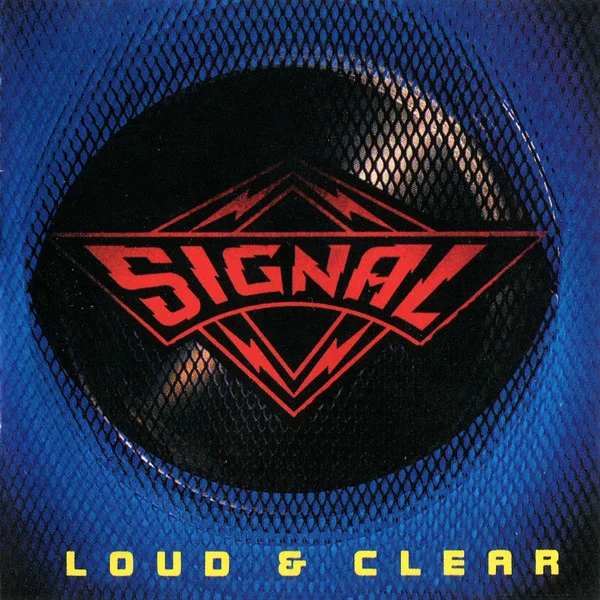
  1. Signal Lost: The One-Album Career of an AOR Band That Arrived Two Years Too Late

    In April 1989, four working Los Angeles musicians finished recording one of the most accomplished AOR albums of the decade at Fantasy Studios in Berkeley. Their producer believed it was the best work he had ever done. Their label dropped them within months of its release. The lead vocalist — already established through King Kobra, soon to be established through Unruly Child — would later transition and lose access to the music industry that had built her career. A retrospective on Signal's Loud and Clear, the album that should have sold millions, and on Marcie Michelle Free, the singer who carried its eight months of work into the rest of her life until her death in October 2025.

    By Deep Cuts · Issue 04 · · 14 min read

  2. The Singer the Label Wanted: Femme Fatale and the One Album That Wasn't Supposed to Be the Only One

    MCA Records signed them. MTV played them. Cheap Trick took them on tour. Their manager developed brain cancer mid-promotion and the label decided they'd rather keep the singer than the band. A look at Femme Fatale's 1988 debut — the album that should have been the start of a career and instead became the entirety of one — and at the singer who has spent thirty-six years building a different kind of music life around the eighteen months when the major-label commercial infrastructure briefly noticed her.

    By Deep Cuts · Issue 03 · · 14 min read

  3. After the Hit: Tuff, Stevie Rachelle, and the Singer Who Became the Historian

    In 1991, a Phoenix-by-way-of-Hollywood glam band had a power ballad that reached number three on Dial MTV, landing between Metallica and Guns N' Roses. Within eighteen months, Atlantic had dropped them, and the genre that defined their commercial existence was effectively over. The lead singer spent the next twenty-eight years doing something stranger and more lasting than the band's brief commercial moment: he became, from the inside, the single most consistent chronicler of the scene he had briefly belonged to. The first installment of One and Done.

    By Deep Cuts · Issue 03 · · 15 min read